Mall operation services
Introduction
Definition of Shopping Mall Operation Services
The Importance of Professional Shopping Mall Operations
Core Pillars of Shopping Mall Operation Services
Key Performance Indicators (KPIs) in Shopping Mall Operations
Challenges in Operating Shopping Malls and How to Address Them
Transition to Smart Operations
Why Does a Mall Need a Professional Management Company?
Conclusion
Definition of Shopping Mall Operation Services
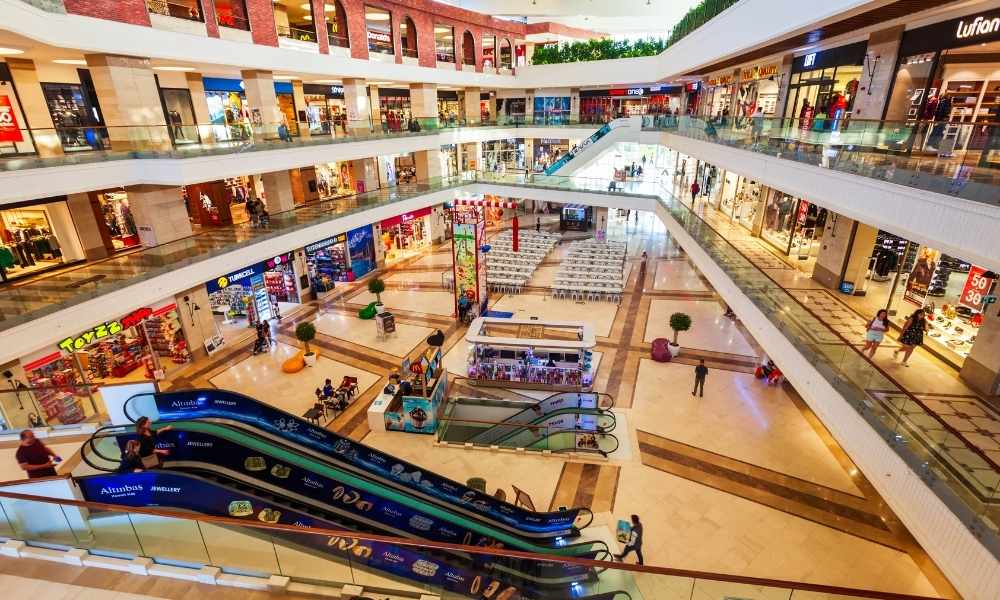
Operating shopping malls is a comprehensive system of services aimed at managing and running the mall effectively and sustainably. It encompasses all operational, marketing, and financial aspects to ensure increased visitor traffic, enhanced customer experience, maximized operational revenues, and improved market value of the real estate asset.
These services are not merely routine operations; they represent an integrated operational and investment system that requires strategic planning and precise financial analysis to ensure the desired outcomes and minimize operational risks.
The Importance of Professional Shopping Mall Operations
2.1 Increasing Operational Revenue
Efficient operation of a shopping mall means attracting more visitors and increasing the number of rentals and sales for tenants, which positively impacts the mall’s revenue and the net return for investors.
2.2 Enhancing Visitor Experience
The visitor experience plays a key role in keeping the mall among the top commercial destinations. By providing high-quality services, organizing visitor flow, and offering engaging events, visitor satisfaction and repeat visits are significantly increased.
2.3 Improving Lease and Tenant Management
Smart strategies in selecting the tenant mix, distributing activities within the mall, and professionally managing tenant relations contribute to higher occupancy rates and reduce tenant complaints.
2.4 Enhancing the Investment Value of the Property
Through professional operations and preventive maintenance, the mall’s long-term integrity is preserved, which enhances the property’s market value and increases its potential for financing and expansion.
Core Pillars of Shopping Mall Operation Services
Shopping mall operation services encompass a set of essential pillars that cannot be overlooked, which are as follows:
3.1 Property Management
Property management is the primary pillar in operating shopping malls and includes:
-
Organizing lease agreements for all tenants.
-
Monitoring financial obligations and collecting rents.
-
Managing common area maintenance (CAM) bills and operational expenses.
-
Maintaining continuous communication with tenants to handle complaints and inquiries.
-
Improving occupancy rates through well-planned leasing strategies.
Property management creates a clear and transparent working environment that motivates tenants while protecting the owners’ interests.
3.2 Facility Management
Facility management involves critical technical operational services aimed at ensuring all systems function efficiently and smoothly:
-
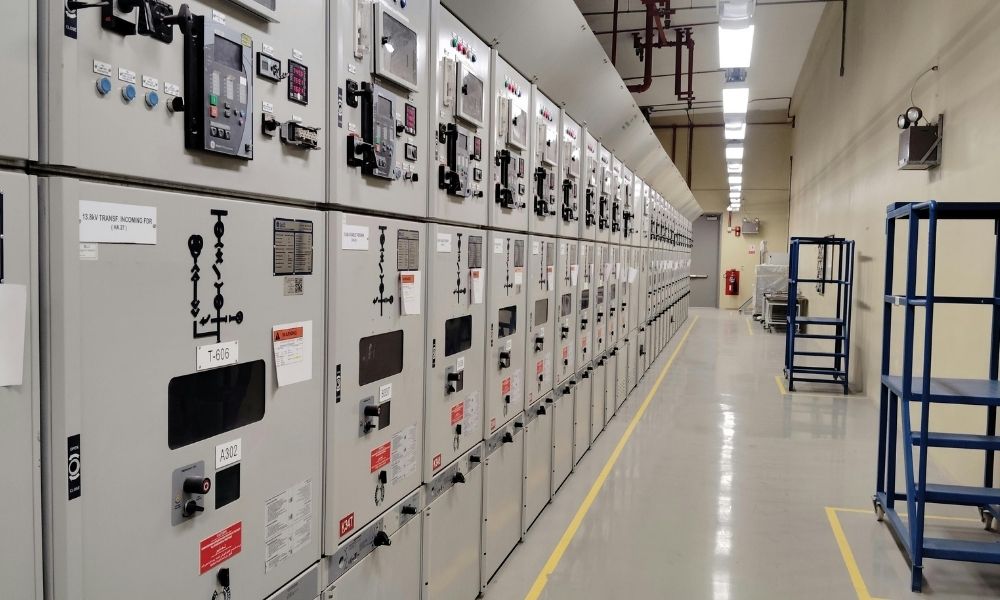
Preventive and routine maintenance of all mall systems (electricity, HVAC, plumbing, elevators, escalators).
-
Managing security and safety within the mall, with clear emergency plans.
-
Cleaning services and general maintenance of shared facilities.
-
Handling other operational services such as visitor waste management and improvement of public areas.
Facility management represents the technical foundation that ensures continuous high-efficiency operation and reduces hidden costs that may arise from sudden breakdowns or poor maintenance.
3.3 Operations Management
Operations management oversees the daily operational functions within the mall, such as:
-
Organizing visitor flow throughout the mall.
-
Monitoring services provided in common areas (reception, parking, cleaning).
-
Coordinating various operational teams to ensure smooth workflow.
Effective daily management of these operations leads to consistent and reliable services, enhancing tenant and visitor satisfaction.
3.4 Service Monitoring
Service monitoring is an important tool for ensuring performance quality and includes:
-
Continuously tracking operational and financial performance indicators.
-
Monitoring service providers’ and suppliers’ adherence to agreed-upon quality standards.
-
Using performance reports to improve service levels over time.
This type of monitoring and analysis enhances the ability to make data-driven decisions and contributes to the continuous improvement of mall services.
3.5 Digital Marketing and Visitor Flow Management
Operating a mall is not limited to technical and administrative aspects; it also includes digital marketing and enhancing the visitor experience:
-
Launching digital marketing campaigns to raise awareness and attract visitors.
-
Promoting events within the mall to create incentives for visits.
-
Supporting tenants’ sales through digital marketing tools.
Marketing plays a crucial role in improving mall performance, increasing visitor traffic, and ultimately enhancing revenues for both tenants and the mall itself.
3.6 Strategy and Operational Consulting
The strategic aspect is as important as the operational side, as it helps in:
-
Developing long-term operational plans that align with market changes.
-
Preparing accurate financial and operational analyses linking decisions to performance indicators.
-
Developing innovative solutions to maximize revenue and reduce costs.
Operational consulting and strategic analysis help guide mall operations in an investment-oriented way, ensuring sustainable success and enhancing competitiveness in the market.
Key Performance Indicators (KPIs) in Shopping Mall Operations
To evaluate the success of mall operations, it is essential to define Key Performance Indicators (KPIs) that are measured periodically, including:
-
Occupancy and leasing rate compared to available space.
-
Average visitor spending within the mall.
-
Operating cost per square meter.
-
Tenant and visitor satisfaction.
These indicators help assess the mall’s operational and financial performance and identify areas that require improvement or adjustments in operational policies.
Why Does a Mall Need a Professional Management Company?
A mall that is managed without professional oversight may face several problems, such as poor planning, increased costs, and declining revenues. Therefore, it is preferable to work with a professional company capable of providing:
-
Professional market analysis.
-
Integrated operations management and performance monitoring.
-
A well-planned marketing strategy to increase visitor traffic.
-
Implementation of leasing strategies to balance revenue and sustainability.
A professional company acts as a strategic partner, transforming the mall from a traditional project into a strong and sustainable investment asset.
Conclusion
In a world characterized by continuous competition and rapid development, operating shopping malls has become an essential element for achieving both investment and operational excellence. Modern projects require professional operational management that integrates technical, administrative, marketing, and strategic aspects to ensure sustainable success and maximize returns.
KOJI Facility Management offers a comprehensive model for this type of service, reflecting deep expertise and an operational philosophy aimed not only at running the mall efficiently but also at transforming it into a smart investment asset that meets investor goals and ensures the satisfaction of both visitors and tenants.