Introduction
First: Understanding Operational Efficiency in Administrative Buildings
Second: Strategic Planning and Operations Management
3. Improving Energy and Resource Consumption Efficiency
Fourth: Preventive Maintenance and Digital Transformation
Fifth: Improving the Work Environment Inside Administrative Buildings
Sixth: Performance Indicators and Measuring Success
Seventh: Culture of Continuous Improvement and Training
Eighth: The Role of Specialized Companies in Operational Improvement – KOJI Model
Conclusion
Sources
Introduction
In light of the increasing competitiveness of local and global markets, the operational efficiency of administrative buildings has become a critical strategic factor for achieving operational and financial sustainability and strengthening an organization’s position in the business environment. Improving operational efficiency is not limited to cost reduction alone; it also extends to enhancing service quality, increasing tenant satisfaction, and ensuring the long-term sustainability of building assets. In this article, we review the best methods for improving the operational efficiency of administrative buildings, while highlighting the expertise of KOJI Management and Operations, which offers a professional model in this field.
First: Understanding Operational Efficiency in Administrative Buildings
1. Definition of Operational Efficiency
Operational efficiency in administrative buildings refers to the ability to manage available resources effectively to achieve operational objectives at the lowest possible cost while maintaining the highest quality of services. This efficiency includes optimal utilization of assets, improved system performance, reduction of energy and resource waste, and maximization of return on investment.
2. Importance of Operational Efficiency
Improving the operational efficiency of administrative buildings has significant impacts on overall organizational performance, including:
-
Enhancing the quality of the work environment: A comfortable and stable workplace increases employee productivity and positively reflects on overall performance.
-
Reducing operating costs: Through smart practices in maintenance, energy management, and resource utilization.
-
Increasing the value of the real estate asset: Efficiently operated buildings are more attractive to tenants and investors.
-
Sustainability and long-term asset renewal: Extending the lifespan of equipment and adopting environmentally friendly practices.
Second: Strategic Planning and Operations Management
1. Professional Property Management
Property management is the cornerstone of improving operational efficiency, as it includes:
-
Developing clear operational plans that define measurable objectives and key performance indicators (KPIs).
-
Establishing operational policies and standard operating procedures in line with ISO 41001 for facility management.
-
Aligning daily operations with long-term investment objectives to maximize return on equity (ROE).
Property management is not limited to maintenance activities only; it also encompasses tenant relations, contract management, and the implementation of continuous operational improvements.
2. Daily Operations Management
Improving day-to-day operational performance depends on organizing activities within the building and ensuring effective execution of operational plans. This includes:
-
Preparing accurate and well-structured operational schedules.
-
Coordinating work teams and contractors.
-
Responding quickly and effectively to operational issues.
Effective daily operations management also contributes to reducing emergency breakdowns and ensuring service continuity.
3. Improving Energy and Resource Consumption Efficiency
1. Rationalizing Energy Consumption
Energy consumption is one of the biggest challenges in administrative buildings, especially in HVAC systems, lighting, and internal transportation systems. There are several techniques that can be applied to improve energy efficiency, including:
-
Smart building design: Using high-efficiency construction materials and optimizing the design of external envelopes to reduce heat/cooling loss.
-
Energy system automation: Implementing intelligent HVAC systems that can adjust operation based on occupancy levels and environmental conditions. For example, advanced energy management systems can be connected to occupancy sensors and Industrial Internet of Things (IIoT) devices.
-
Regular preventive maintenance: Ensures that equipment remains in excellent operating condition, thereby reducing unnecessary energy consumption.
2. Monitoring and Managing Resource Consumption
Resource consumption, such as water and electricity, can be managed through:
-
Installing digital meters and energy performance indicators to track consumption accurately.
-
Analyzing data and making decisions based on cost-benefit analysis.
-
Adopting water-saving practices and minimizing leaks and wastage.
Fourth: Preventive Maintenance and Digital Transformation
1. Preventive Maintenance Strategies
Preventive maintenance is one of the most important tools for improving operational efficiency and reducing unexpected breakdowns. It includes:
-
Scheduled maintenance for HVAC systems, electrical systems, elevators, and safety systems.
-
Using Computerized Maintenance Management Systems (CMMS) to plan, execute, and monitor maintenance efficiently.
This approach reduces emergency repair costs, extends the lifespan of assets, and enhances the operational sustainability of the building.
2. Digital Transformation and Technology Use
Digital transformation plays a pivotal role in improving operational efficiency. Modern technologies include:
-
Building Management Systems (BMS): Allow centralized control of lighting, HVAC, and security systems.
-
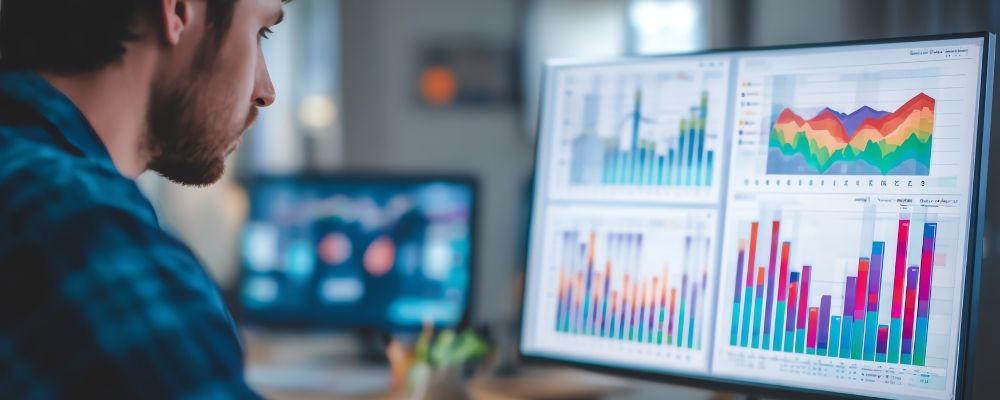
Analytical Dashboards: Enable monitoring of operational performance and quick decision-making.
-
Predictive Maintenance Systems: Data-driven systems for critical equipment.
These tools provide a comprehensive real-time view of facility conditions, helping to improve performance and reduce costs over the long term.
Fifth: Improving the Work Environment Inside Administrative Buildings
1. Air Quality and Thermal Comfort
Paying attention to indoor air quality and maintaining appropriate temperature enhances employee well-being and increases their productivity. This can be improved through:
-
Smart HVAC systems that adapt to the number of users and climatic conditions.
-
Using interior materials and finishes that improve air quality.
2. Space Organization and Enhancing User Experience
Designing spaces with user comfort in mind contributes to higher efficiency, such as:
-
Allocating rest areas.
-
Improving the flow of movement for users within the building.
-
Facilitating access to services.
These simple measures can have a significant impact on tenant and employee satisfaction.
Sixth: Performance Indicators and Measuring Success
1. Defining Key Performance Indicators (KPIs)
To achieve real and sustainable improvements in operational efficiency, it is essential to define and measure clear performance indicators, such as:
-
Energy consumption per square meter.
-
Monthly maintenance costs.
-
Average response time for maintenance requests.
-
Tenant satisfaction rate.
2. Using Periodic Analysis and Reports
Periodic analysis of these indicators highlights performance trends and identifies new opportunities for improvement. This can be implemented through:
-
Monthly and quarterly reports.
-
Operational performance review meetings.
-
Comparing performance against industry standards.

Seventh: Culture of Continuous Improvement and Training
1. Building an Institutional Culture of Continuous Improvement
Operational efficiency is not a one-time event; it is an ongoing institutional culture that includes:
-
Encouraging employees to innovate and take initiative in improving processes.
-
Adopting Lean or Six Sigma methodologies to identify waste and enhance processes.
2. Training Human Resources
Training the teams working in the building on best operational practices improves performance quality and reduces human errors.
Eighth: The Role of Specialized Companies in Operational Improvement – KOJI Model
KOJI Facility Management offers a professional, integrated model for managing and operating administrative buildings. Its services include property management, facility management, service monitoring, and operational management, in addition to strategic analysis and professional marketing that ensure improved operational performance and maximized return on investment.
By adopting a well-structured operational system that encompasses long-term planning, digital management, resource optimization, and performance monitoring, tangible results are achieved in operational efficiency and service sustainability.
Conclusion
Improving the operational efficiency of administrative buildings is not merely an option but a strategic necessity for any organization seeking sustainability and high productivity. Achieving this requires integrated efforts, including strategic planning, resource management, adoption of digital technologies, enhancement of the work environment, and periodic performance measurement. Through a professional methodology and a continuous commitment to improvement, administrative buildings can transform from traditional operational assets into sustainable work environments that achieve the highest levels of efficiency and value.