Introduction
The Foundation of KOJI’s Facility Management Philosophy
The Scope of Comprehensive Facility Management Services
Facilities Management: The Operational Core
Service Monitoring
Operational Management
Strategy & Consulting Services
Digital Marketing and Engagement
Safety, Sustainability and Regulatory Compliance
Technology and Innovation in Facility Management
Measurable Outcomes
Competitive Advantages of KOJI’s Facility Services
Challenges and Opportunities in Facility Management
Conclusion
Resources
Introduction
In today’s competitive real estate environment, facility services are not merely a support function—they are a strategic driver of operational efficiency, asset value and stakeholder satisfaction. As commercial properties expand and customer expectations rise, the role of facility management has evolved from basic maintenance tasks to encompassing holistic oversight of complex properties, sustainable operations and long‑term investment performance.
KOJI Facility Management (“KOJI FM”) represents a paradigm shift in this field. Operating since 2010 with over 15 years of experience, KOJI delivers a full spectrum of integrated facility services that optimize operational performance, support strategic outcomes and safeguard long‑term asset value for investors, property owners, developers and tenants alike. With more than 1,500 clients and a track record of 13 major projects, KOJI has built its reputation on expertise, innovation and measurable results.
This article examines the scope of KOJI’s comprehensive facility services, explaining how its methodologies, service portfolio and strategic approach position it as a leader in facility management across commercial, administrative and mixed‑use properties. Through a detailed review of its service pillars—operations, safety, monitoring, strategy, sustainability and technology—readers will gain a deep understanding of why integrated facility services are essential for modern property management, and how KOJI delivers exceptional value across every dimension.
1. The Foundation of KOJI’s Facility Management Philosophy
At its core, KOJI operates with a strategic, value‑focused philosophy that integrates traditional facility management tasks with advanced operational insights and long‑term planning. Rather than treating facility services as a series of discrete functions, KOJI manages properties as ecosystems where mechanical, administrative, user experience and financial components work in alignment toward shared objectives.
1.1 Mission and Vision
-
Mission: KOJI’s mission is to leverage expertise, structured planning and operational discipline to enhance, develop and cover comprehensive facility management strategies tailored to each client’s needs.
-
Vision: The company aspires to become the market leader in facility management services, particularly in commercial malls and administrative complexes where performance standards and user expectations are highest.
These guiding principles inform every service line at KOJI, influencing how teams design operational plans, deploy technology, negotiate vendor contracts, and report outcomes to stakeholders.
2. The Scope of Comprehensive Facility Management Services
KOJI’s services can be broadly categorized into six integrated domains: property management, facilities management, service monitoring, operation management, strategy and consulting, and digital engagement. Together, they form a unified ecosystem that meets both the daily operational needs of a facility and the long‑term strategic requirements of asset owners.
2.1 Property Management
Property management at KOJI goes beyond basic oversight. It encompasses the full lifecycle of asset administration, from tenant relations and lease oversight to rent collection, financial control and compliance with regulatory requirements.
Key elements include:
-
Operations & Asset Optimization: Seamless tenant coordination, lease administration and service delivery designed to maintain high occupancy rates and tenant satisfaction.
-
Maintenance & Compliance: Preventive and corrective maintenance paired with rigorous safety, health and environmental compliance.
-
Financial Oversight: Transparent budgeting, cost management, reporting and tenant retention strategies that enhance financial stability.
This holistic property management foundation ensures stability and predictability for asset owners, mitigating financial risk while maximizing rental performance and tenant experience.
2.2 Facilities Management: The Operational Core
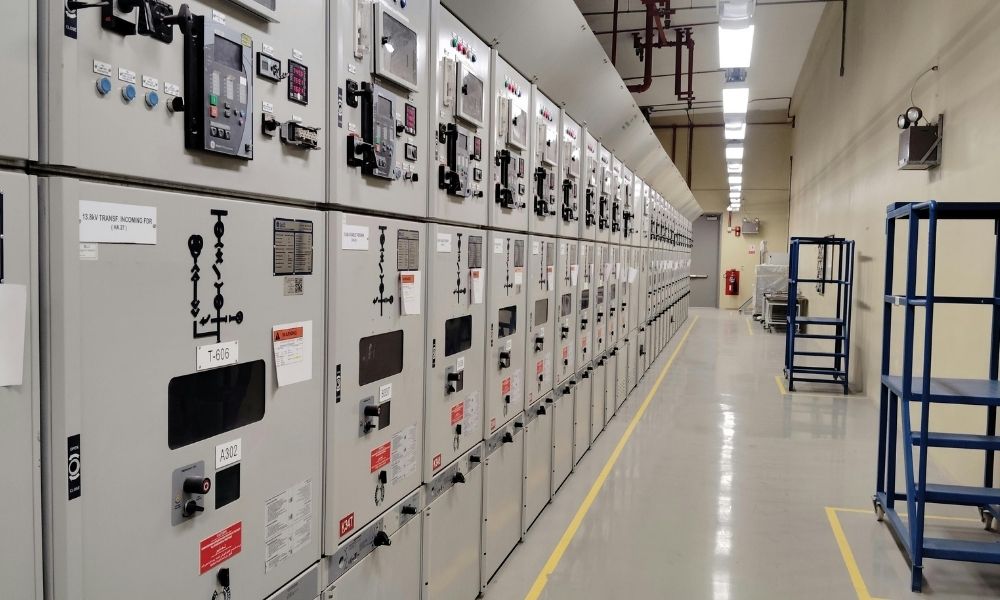
Facilities management represents the operational heart of what KOJI offers. It ensures that a property’s physical environment, utilities and support services run efficiently, securely and sustainably.
According to KOJI’s published overview:
“KOJI FM delivers comprehensive, full‑spectrum Facilities Management solutions tailored to the unique needs of every client… ensuring your property assets operate reliably, safely, efficiently, and sustainably… across every level of operation.”
Major components of KOJI’s facilities management include:
-
Operations & Maintenance: Day‑to‑day oversight of mechanical, electrical and civil systems, including scheduling preventive maintenance and quick corrective action when needed.
-
Security & Safety Services: Ensuring the highest standards in safety protocols, emergency response readiness and regulatory compliance.
-
Utilities Management: Optimizing energy and water consumption to balance comfort, cost containment and environmental responsibility.
-
Vendor Coordination: Oversight of third‑party service providers to maintain consistent service quality and performance levels.
The integration of preventive maintenance with operational strategy helps KOJI clients transition from reactive problem‑fixing to proactive performance optimization—a fundamental shift that reduces downtime, extends asset life cycles and enhances stakeholder returns.
Service Monitoring
Service monitoring at KOJI is an analytical and technology‑enabled function that provides real‑time oversight of operations, maintenance, resource usage and key performance metrics.
KOJI’s monitoring system delivers:
-
Continuous Tracking: Monitoring uptime, response times, incident resolution and operational patterns.
-
Proactive Alerts & Integration: Automated alerts and escalation protocols that link monitoring insights with maintenance and operations teams for rapid intervention.
-
Performance Reporting: Dashboards, benchmarks and analytic reports that support transparent decision‑making and continuous improvement.
This systematic integration of monitoring into day‑to‑day operations gives KOJI clients visibility and control over complex service environments, enabling a data‑driven approach to service optimization.

Operational Management
While facilities management refers to the technical and maintenance side of building operations, operation management at KOJI focuses on broader workflow efficiency and resource coordination across all service lines.
This function includes:
-
Workflow Streamlining: Aligning operational tasks with performance targets.
-
Productivity Optimization: Resource allocation and performance evaluation to enhance organizational efficiency.
-
Cross‑Functional Coordination: Ensuring operations teams, vendors and support staff collaborate effectively across functions.
By centralizing control over operational functions, KOJI mitigates inefficiencies and ensures alignment between strategic goals and daily execution.
Strategy & Consulting Services
Facility management is increasingly recognized as a strategic business discipline. KOJI’s strategy and consulting services provide clients with planning frameworks, analytical insights and decision support functions that align operations with broader business goals.
Key service offerings include:
-
Strategic & Business Advisory: Defining vision, goals and operational gaps to shape tailored management roadmaps.
-
Performance Analytics: Developing KPIs, dashboards and reporting frameworks that measure impact and support continuous improvement.
-
Transformation & Execution: Guiding organizations through implementation stages to achieve sustainable performance outcomes.
This consultative capability elevates KOJI from a service provider to a strategic partner, helping clients anticipate risks, seize opportunities and optimize asset potential.
Digital Marketing and Engagement
Modern facility services extend beyond operations into digital engagement, especially for commercial malls and public spaces where tenant visibility and customer traffic influence revenue directly. KOJI offers digital marketing services to boost brand presence, tenant engagement and customer awareness—factors that drive long‑term performance.
Services include:
-
SEO and content strategy to raise online visibility.
-
Tenant portals and digital platforms to support engagement.
-
Analytics to measure campaign impact and customer behavior patterns.
While not a traditional facility service, digital marketing complements KOJI’s operational functions by enhancing visibility and stakeholder engagement—strategic levers that translate to higher occupancy, sales and community interaction.
3. Safety, Sustainability and Regulatory Compliance
A comprehensive facilities management approach cannot be complete without rigorous attention to safety, regulatory compliance and sustainability practices. KOJI embeds these principles throughout its service framework.
3.1 Safety and Compliance
KOJI maintains high standards of safety, health and environmental compliance across all operations, ensuring regulatory obligations are met and occupants are protected.
This includes:
-
Adherence to local building codes and safety regulations.
-
Emergency response planning and fire safety protocols.
-
Routine compliance audits and corrective action processes.
Safety management minimizes liability risks while fostering environments where visitors, tenants and staff feel secure.
4. Technology and Innovation in Facility Management
Technology is a critical enabler of modern facility services, helping organizations measure performance, automate processes and predict future needs. KOJI leverages digital platforms and monitoring systems to enhance operational responsiveness and strategic insight.
Examples of technology use include:
-
Computerized Maintenance Management Systems (CMMS) and real‑time dashboards.
-
Predictive maintenance models that move beyond reactive servicing.
-
Performance analytics that inform budgeting and planning decisions.
By integrating data analytics, monitoring tools and digital reporting, KOJI transforms facility services into an intelligent, adaptive system capable of continual learning and improvement.
Measurable Outcomes: Performance, Cost Control and Stakeholder Value
Facility management must deliver measurable outcomes in operational performance, cost efficiency and stakeholder satisfaction. KOJI’s integrated approach ensures that improvement metrics are tied to clear financial and operational benefits:
-
Reduction in operational costs: proactive maintenance and resource management lower utility and repair expenses.
-
High tenant satisfaction: responsive services improve tenant retention and reputation.
-
Improved asset performance: safety, compliance and sustainability enhance asset valuation.
-
Data‑driven decision‑making: performance dashboards and KPIs enable quantifiable progress tracking.
These measurable outcomes are critical for stakeholders who expect facility services to contribute directly to Return on Equity (ROE) and long‑term investment performance.
Competitive Advantages of KOJI’s Facility Services
Several core competitive advantages distinguish KOJI in the facility services landscape:
6.1 Integrated End‑to‑End Solutions
Rather than offering siloed services, KOJI delivers a comprehensive suite that covers every aspect of property and facility management—from operations to strategic advisory.
6.2 Client‑Centric Service Model
KOJI emphasizes customized solutions tailored to each client’s needs, avoiding one‑size‑fits‑all approaches in favor of bespoke programs that yield measurable results.
6.3 Experienced Professional Team
With significant industry experience and technical expertise, KOJI’s teams bring deep insight and operational discipline to complex facility environments.
6.4 Transparency and Quality Standards
KOJI’s reporting infrastructure, monitoring tools and performance metrics ensure transparency, accountability and consistent service quality over time.
6.5 Focus on Sustainable Growth
By integrating sustainability principles in operations and planning, KOJI supports clients in achieving environmental goals without compromising economic performance.
Challenges and Opportunities in Facility Management
The facility management industry faces ongoing challenges, including rising operational costs, evolving regulatory environments, customer expectations, and the need for digital transformation. KOJI addresses these challenges by investing in technology, adopting proactive management models and aligning its services with best practices in safety, compliance and sustainability.
Opportunities in the sector include predictive maintenance using IoT, smarter data utilization and stronger alignment between operations and strategic business goals—all areas where KOJI continues to innovate.
Conclusion
Comprehensive facility services have become indispensable for modern property owners, especially in the competitive landscape of commercial and administrative real estate. KOJI Facility Management’s integrated service offering—spanning property oversight, facilities operations, service monitoring, operational management, strategy consulting and digital engagement—delivers measurable operational efficiency, cost control and stakeholder value.
By combining technical excellence, strategic insight and robust reporting, KOJI transforms facility services from routine maintenance into a strategic business advantage—one that elevates property performance, enhances user satisfaction and sustains long‑term growth.
For stakeholders seeking a partner capable of navigating both the operational and strategic dimensions of facility services, KOJI FM stands as a leading example of quality, innovation and client‑focused service delivery.